10 Life Lessons We Can Learn From Washer Dryer Combos
Washer Dryer Combos Combinations of washer and dryer combine the convenience of both a clothes dryer into one appliance. They can do the same job as stand-alone appliances, however in half the footprint. These units are great for small apartments and homes. These units are perfect for households with one or two people. They can save time and energy because they eliminate the need to move wet laundry between dryer and washer. Space Savings Washer dryer combos blend two appliances in one making space in your laundry room. These are also perfect for small living spaces. These units are more gentle on clothes than front loading washing machines and are also more energy efficient than separate washers. Most washer dryer combos offer various programs that can meet specific fabric care needs including delicates, high-efficiency, and timed drying. These units are perfect for condos, apartment buildings as well as smaller homes. They can easily be installed in small laundry rooms or utility closets. Since they don't require vents and are a breeze to set up anywhere that has electricity and water access. Some washing machines are mobile and can be brought with you when you relocate or move. They are also smaller than separate washing machines and dryers. Depending on the brand and model, they're usually similar to a dishwasher, which means they can be hidden away in a corner or beneath a counter. Some models have vents and others are not and can be put in any space that doesn't have vents. Another benefit of washer dryer combos is that they can save you a lot of time and effort. By removing the need transfer your laundry from the machine to the dryer, you will be able to eliminate one step from your process and return to doing other tasks. This can be especially helpful if you have mobility issues or work long hours and aren't home until late at night. Modern washer dryers have blown away the myth that they take a long time for clothes to dry. They can dry in just minutes. They can be used within 45 minutes or less and are a great option for busy families. These machines are also great for those who live on tank water and care about the environment since they don't require the extra water or energy that standalone washing machines and dryers require to function. Saves Time Combination washer and dryers are a great solution for those who live in small apartments, condos, or homes, or simply don't have enough space in their home to accommodate two large appliances. These units combine both front-loading washer and a clothes dryer into a unit that is roughly half the size of the typical washer and dryer. They are smaller than standalone appliances, but they provide similar drying and washing results. They are also designed to be energy – and water efficient. This reduces utility costs and helps to ensure sustainability for the environment. Certain models come with features such as sensor drying that can automatically adjust cycle settings based on the type of fabric and soil levels. This can help optimize the energy consumption. In addition, washer and dryer combos are easy to use. The combos of washer and dryer are easy to use and set up due to their easy controls and user-friendly design. The majority of models have a timer which can be set to begin the cycle automatically at a specific time. This allows you to wash and dry your clothes according to your schedule. You can program your washer to start before you leave for work each morning, so that you'll be able to come home to clean and dry clothes. Another advantage of washer dryer combos is that they don't require external venting like traditional standalone appliances. This enables the appliance to be installed in a variety of locations, including small spaces like an under-counter or closet counter. It's also less expensive than installing a vented drying system in your home. The cycle duration of washer dryer combos may be more lengthy than standalone appliances. A typical cycle may take between three and six hours. This is a long time to finish an entire load. This is a challenge for busy people or who live in a cold climate and don't have the ability to dry their clothes in a line. Another issue is that washer dryer combos tend to consume more water when in the drying phase. This could be a problem for those who are dependent on tank water or are concerned about their water usage and impact on the environment. Energy Savings A washer dryer combination is a laundry appliance that combines a front load washing machine and dryer for clothes. They are able to perform all that standalone appliances are able to do but with half the footprint, which is a huge benefit for homes with smaller spaces. There are many washer dryers are made to be the most energy efficient they can be, with the majority offering features such as sensor drying, which detects moisture levels and adjusts the drying time in accordance with the level of moisture. This can help you save energy, reduce costs and reduce the environmental impact. The best way to determine the way a particular combination dryer is performing with regard to energy usage is to check the ENERGY STAR rating on its Energy Factor label. You can also examine its performance in comparison to other similar products available and ensure that it's appropriate for your home based on its consumption of electricity and water. 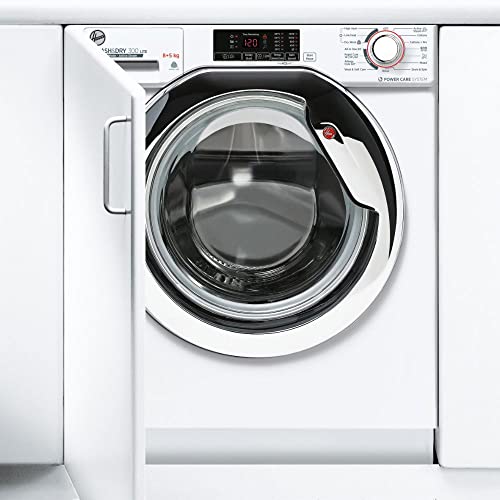 While the washer part of a combination washer and dryer functions in the same way as a standard front load washer, the drying aspect is where things can get interesting. The majority of dryers on the market are condenser style dryers, which means they don't use any heat to dry the process rather, they cool the lint that is collected in the tumbler by passing it over several fins, much like an air conditioner. However, this can take up to 6.5 hours for certain models – and does require a significant amount of electricity. Washer dryer combos are more expensive than separate appliances. A decent quality combination should cost roughly the same to run as a comparable standalone dryer or washer, but it's worth bearing in the fact that you're making use of two appliances in one machine. This could increase the price and complexity of the appliance and make it less reliable if something goes wrong. The added complexity also increases repair costs in the event that the appliance needs replacing, which can be a problem for those on a budget. Saves Money Combinations of washer and dryer are ideal for households with limited laundry space because they include both a washer and a dryer in one unit. These are also great for those who don't need to go to the laundry. They're reasonably priced, simple to use and provide a good level of performance for the money. Since both a washer and a dryer are both in the same machine, they consume less energy than two separate appliances. This is especially true for vented washer dryer combos that have an air-cooled heat exchanger which reduces energy consumption. Most washer dryer combos are more energy efficient than standalone models. Many of them can save families around $100 per year on laundry costs [source: Consumer Reports]. combo washer dryers of washer and dryer can save you money because they allow you to use the same unit for both washing and drying cycles. Instead, a washer dryer combo will start drying your clothes once the washing cycle is complete. This will help to prevent the musty mildew odors that can form if wet clothes are left in the dryer for too long. Some models even let you delay the dryer cycle, so that you can load the dryer/washer early in the morning, and come home to a fully-dry load of laundry. There are however some disadvantages to using a dryer/washer combo. The biggest drawback is that these machines are smaller than standalone washing machines. This means that you aren't able to wash and dry as large a load of laundry in the same cycle as you would using a traditional machine. In addition, certain washer/dryer combination machines have a tendency to take longer than standalone dryers to dry laundry. However, modern washer/dryer combination models are specifically designed to address these issues. Ventless dryers come with an air-cooled heat exchanger while ventless models have a water-based system that functions similar to the radiator in your car. Both of these systems can reduce the time required to dry a load.